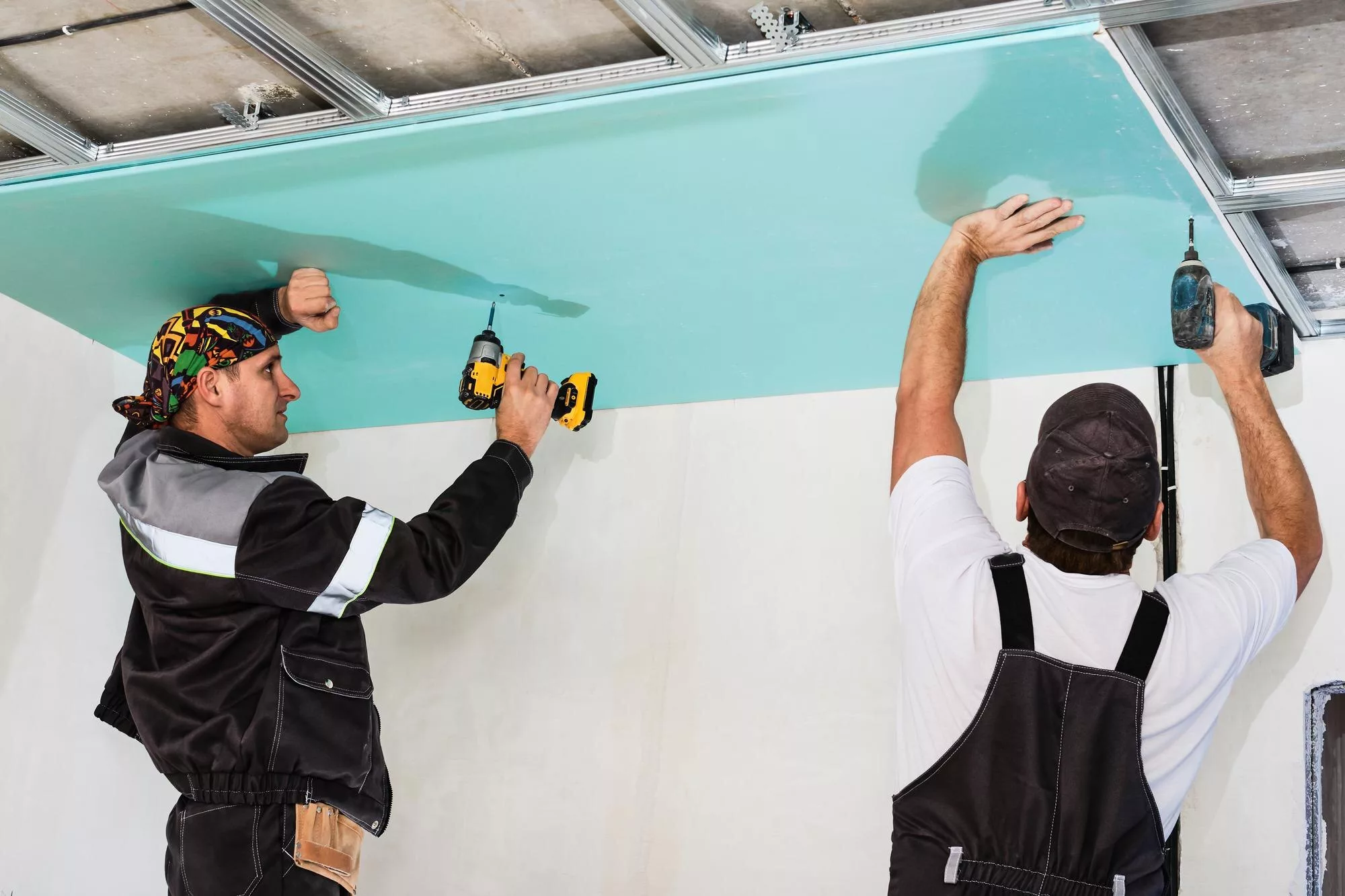
Turnkey Apartment Renovation in Saint Petersburg: Complete Practical Guide
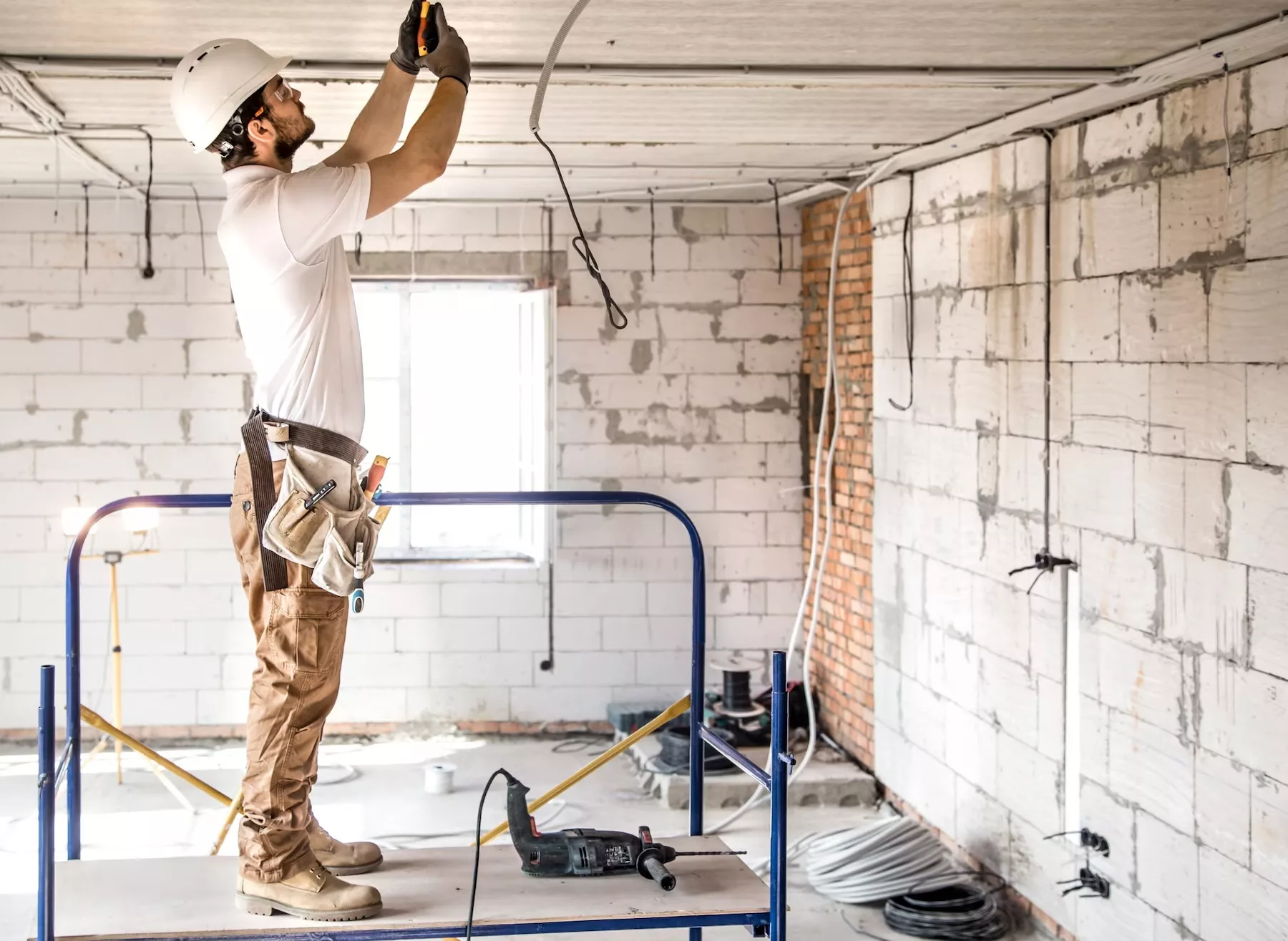
Turnkey Apartment Renovation in Saint Petersburg: Complete Practical Guide
Planning a turnkey renovation in Saint Petersburg (Санкт‑Петербург) means handing the whole process—design, procurement, construction, finishing, and final cleaning—to a contractor so you receive a finished, move‑in ready apartment. This guide helps you understand what to expect, how to choose a contractor, local specifics to consider, typical timelines and costs, and a practical checklist for a smooth renovation.
Why choose turnkey in Saint Petersburg
— Saves time and reduces stress: a single contractor manages subcontractors and deliveries.
— One responsibility center: design, procurement and warranty come from the same company.
— Useful in a city with complex logistics, old housing stock and local regulations.
Local specifics to consider
— Climate: high humidity and frequent rain mean moisture‑resistant materials, reliable ventilation and good sealing of windows/balconies are essential.
— Building types: St. Petersburg has many panel or brick Soviet buildings (хрущёвки, панельные дома), pre‑revolutionary houses and modern new builds—each with different constraints (load‑bearing walls, old wiring, access).
— Heritage zone restrictions: in historic central areas you may face stricter rules for structural changes or facade works; always check with your building management or city authorities before planning structural or external alterations.
— Central heating system: radiator layout and seasonal availability may affect works and decisions about underfloor heating.
Typical turnkey process (step by step)
1. Initial consultation and site survey
2. Design phase (concept + working drawings) — electrical, plumbing, finishing specs
3. Permit checks and approvals (if structural changes are planned)
4. Contract signing with an itemized scope and schedule
5. Demolition and rough works (if any)
6. Sanitary and electrical installation, leveling floors, wall preparation
7. Installation of windows/doors, built‑in systems, plumbing fixtures
8. Finishing work: floors, paints, tiles, joinery and lighting
9. Cleaning, commissioning (testing systems) and handover with punch list
10. Warranty period and aftercare
Time estimates
— Cosmetic “refresh” (painting, floor, replacements) — 2–4 weeks.
— Medium renovation (kitchen, bathroom, partial rewiring, finishing) — 1–2 months.
— Full gut renovation (complete demolition, full replacement of plumbing/electrics, structural changes, bespoke elements) — 3–6 months.
Times vary by scope, apartment size, access, and permit delays.
Cost ballpark (approximate, St. Petersburg)
Costs vary widely with finishes, layout changes and contractor level. Approximate ranges per m²:
— Economy / basic turnkey: 8,000–15,000 ₽/m²
— Mid‑range / comfort: 15,000–30,000 ₽/m²
— Premium / designer: 30,000–60,000+ ₽/m²
These are only indicative. Ask for an itemized estimate showing material costs, labor, logistics, and VAT if applicable.
How to choose a contractor
— Portfolio and references: inspect finished apartments and talk to past clients.
— Written estimate with itemization (materials, labor, contingencies).
— Professional project documentation for major works (floor plans, electrical and plumbing layouts).
— Licenses/insurance for larger structural or gas works if needed.
— Transparent payment schedule and warranty terms.
— Check online reviews and industry memberships—avoid suspiciously low bids.
What to include in the contract (must‑have)
— Detailed scope of work and specifications for materials (brands, colors, model numbers).
— Fixed price or formula for changes; list of excluded works.
— Clear timeline with start and end dates and penalties for delays.
— Payment schedule (suggested: deposit ~20–40%, staged payments tied to milestones, final payment after handover).
— Warranty period and terms (coverage for defects, response time).
— Acceptance procedure and punch list rules.
— Liability for damage to common property and neighbor disturbances.
— Conditions for change orders and cost adjustment.
Practical preparation before works
— Clear out the apartment or arrange storage.
— Notify building management and neighbors about start dates and work hours; reserve elevator if needed.
— Agree on debris removal and dust‑control measures.
— Prepare temporary accommodation plans if water/heating interruptions are