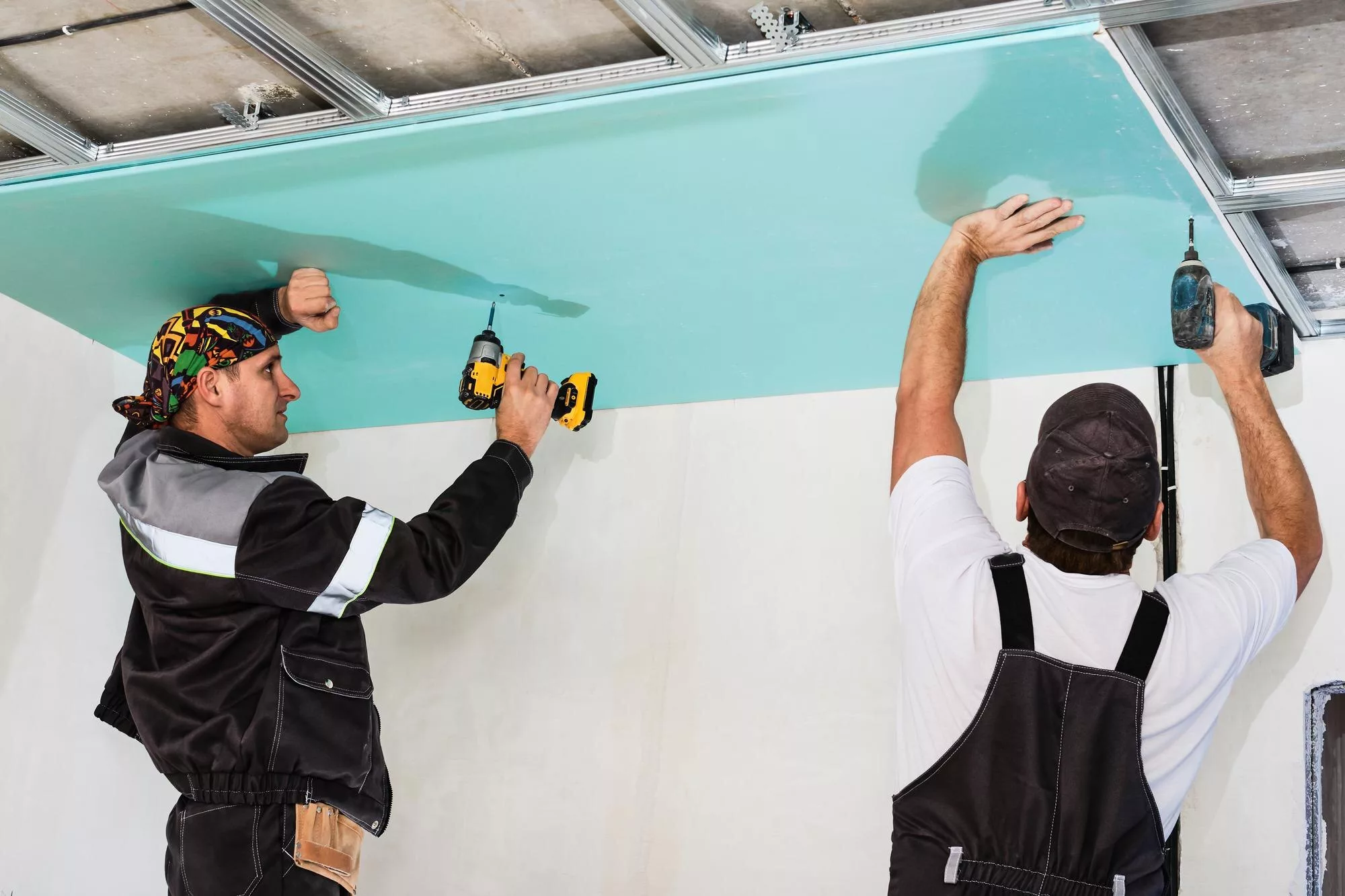
Turnkey apartment renovation in Saint Petersburg: Complete guide for homeowners

Turnkey apartment renovation in Saint Petersburg: Complete guide for homeowners
Renovating an apartment on a turnkey basis means handing over the project to a contractor who delivers the flat fully finished and ready to live in. In Saint Petersburg, with its mix of modern buildings and historic pre-revolutionary houses, a turnkey renovation can save time, reduce stress and ensure compliance with local rules—provided you choose the right contractor and understand the process.
What «turnkey renovation» includes
A true turnkey package typically covers:
— Inspection and measurement of the apartment
— Full design project (layout, materials, lighting, finishes)
— Documentation and permit support (if structural changes are needed)
— All construction and installation works: demolition, rough works, engineering systems, flooring, tiles, painting, carpentry
— Supply of materials, fixtures and built-in furniture according to the contract
— Final cleaning and handover with acceptance report
— Warranty on work and often on selected materials
Benefits of choosing turnkey in Saint Petersburg
— Single point of responsibility: one contractor handles design, procurement and execution
— Time savings: coordinated schedule and single team reduce delays
— Local expertise: contractors know local building norms, weather-related requirements and municipal procedures
— Quality control: consolidated warranties and post‑handover support
— Fewer surprises: fixed-price contracts can limit unexpected costs (if clearly specified)
Special local considerations for St. Petersburg
— Climate: high humidity and temperature variations mean attention to ventilation, waterproofing in bathrooms and quality exterior-facing finishes.
— Historic buildings: apartments in cultural heritage buildings may require special approvals from preservation authorities and careful choice of materials and methods.
— Structural limitations: many older buildings have load-bearing walls and communications in common shafts—changes often need formal approval.
— Noise and working hours: city regulations and neighbors’ comfort require planned noisy works within permitted hours and coordination with the condo or management company.
— Logistics: narrow stairwells and restricted access in old houses may affect delivery and schedule—plan for elevators or extra manual handling.
Typical turnkey renovation stages
1. Preliminary visit and measurement
2. Design proposal and approval (layout, 3D visuals, material palette)
3. Contract signing: scope, price, deadlines, payment schedule, warranties
4. Documentation and permits (if applicable)
5. Demolition and rough works (engineering, wiring, plumbing)
6. Wall and floor finishing, painting, tiles, carpentry, built-ins
7. HVAC, ventilation and final electrical works; installation of appliances
8. Cleaning, final acceptance and handing over keys
9. Warranty period and post-handover service
Estimated timelines (approximate)
— Studio or cosmetic refresh: 3–6 weeks
— One-bedroom complete overhaul: 6–10 weeks
— Two- or three-bedroom with layout changes: 10–16+ weeks
Timelines vary with approvals, supply chain and complexity (historic buildings and structural work add time).
Cost examples (ballpark per m², inclusive of works and materials)
— Economy: ~15,000–25,000 RUB/m² — basic finishes, limited custom work
— Standard: ~25,000–40,000 RUB/m² — mid-range materials, design, some custom elements
— Premium: ~40,000–80,000+ RUB/m² — designer finishes, custom carpentry, high-end appliances
Prices depend on apartment condition, material choices, structural changes and furniture inclusion. Get at least three detailed estimates.
How to choose a turnkey contractor
— Check local portfolio and references in Saint Petersburg—look for projects in buildings similar to yours
— Ask for a detailed written contract with a clear scope, deadlines and penalty clauses
— Verify licenses and insurance; if structural or engineering works are planned, ensure the contractor has appropriate engineering partners and approvals process expertise
— Insist on a clear payment schedule tied to milestones and an acceptance protocol for completed stages
— Request warranties in writing (commonly 1–3 years on works, longer on installations when manufacturer covers them)
— Visit ongoing projects if possible to inspect workmanship and management style
What to include in the contract
— Exact scope of works and excluded items
— Bill of materials with brands/specs or material allowances
— Fixed price or clear rules for change orders
— Project timeline with milestones
— Penalties for missed deadlines and defect liability period
— Final acceptance procedure and completion documentation
— Permits and approvals responsibility (who arranges and pays)
— Warranty terms and post-handover service
Money-saving tips
— Keep the layout if possible—changes to plumbing and load-bearing walls increase cost significantly
— Choose durable mid-range materials that match aesthetic goals—savings on day 1 can lead to higher maintenance costs later
— Agree on a material allowance with the contractor to control cost overruns when selections are pending
— Schedule work in off-season if possible (spring/early autumn) to avoid supply and labor peaks
Common pitfalls to avoid
— Vague scope or “verbal” agreements—always get details in writing
— Choosing the lowest bid without checking past work or reviews
— Starting structural changes without necessary municipal approvals
— Ignoring ventilation and moisture-control needs in bathrooms and kitchens
Final checklist before starting
— Measured floor plan and technical passport (BTI extract) at hand
— Clear budget and contingency reserve (typically 10–20%)
— Design concept and prioritized material choices
— Written contract with schedule and payment milestones
— Agreement on who handles permits and inspections
If you’re planning a turnkey renovation in Saint Petersburg, choose a contractor experienced with local buildings and regulations, insist on a transparent contract, and plan for the seasonal and heritage-related specifics of the city. For a personalized estimate and next steps, contact reliable local specialists who can visit your apartment, prepare a design proposal and outline a detailed budget and schedule.